Science
Learning portal
Enter your bonus code
Enter the code for this microsite. You will receive 25 extra points on your next eligible exercise.
Sign in to enter a code
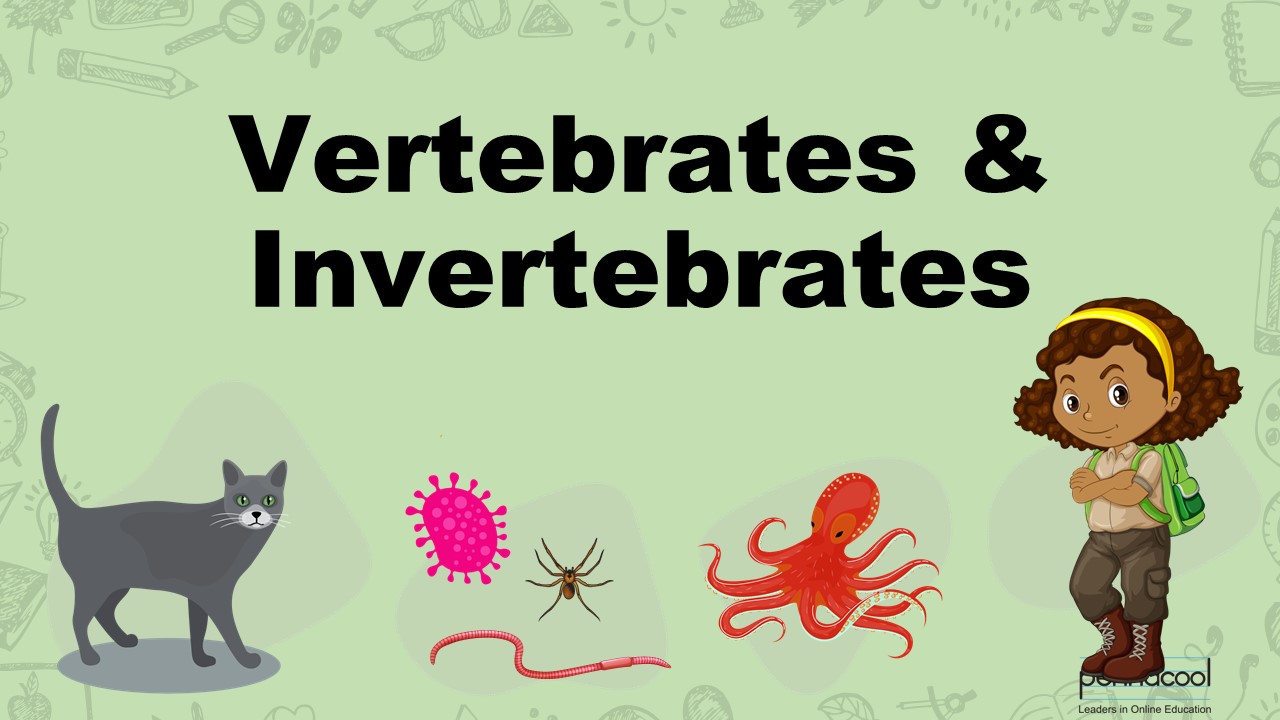
Some animals have bones and some do not. Explore more about these animals with us.
Learn more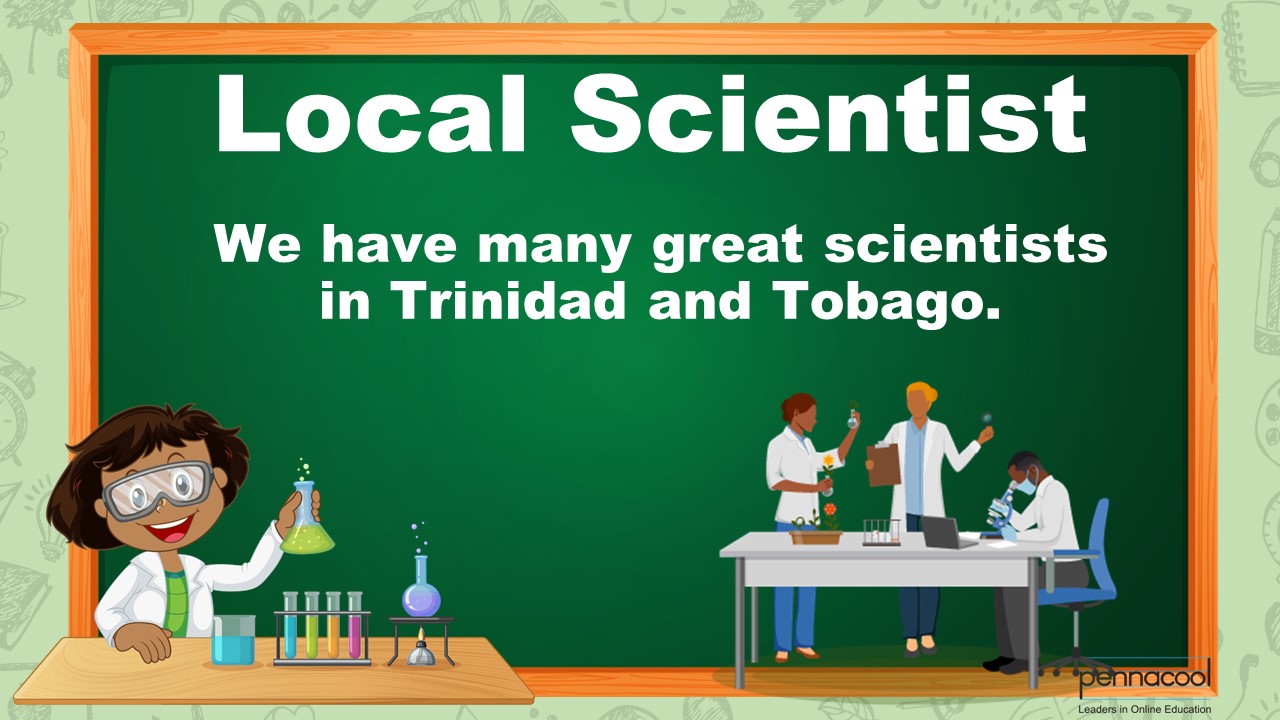
Learn more about our amazing Scientists from right here in Trinidad and Tobago and how you too can become one of them.
Learn more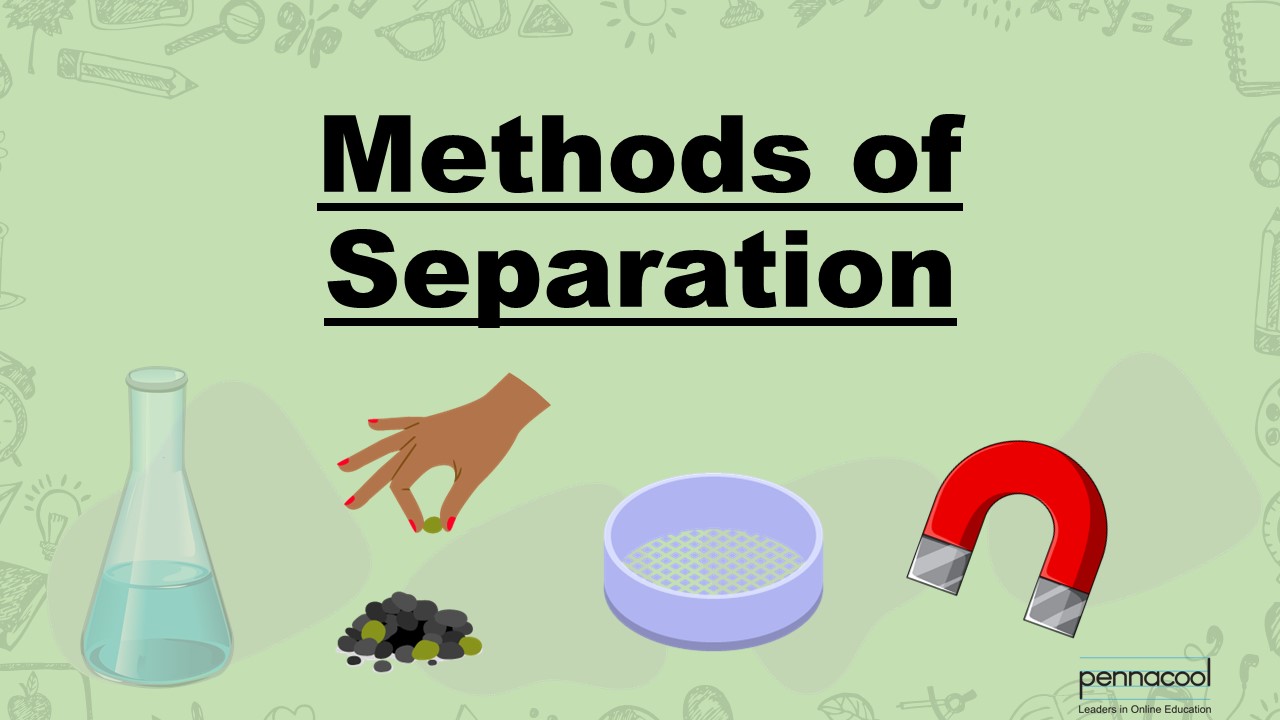
Learn about separation by magnetism, sieving, hand picking and much more.
Learn more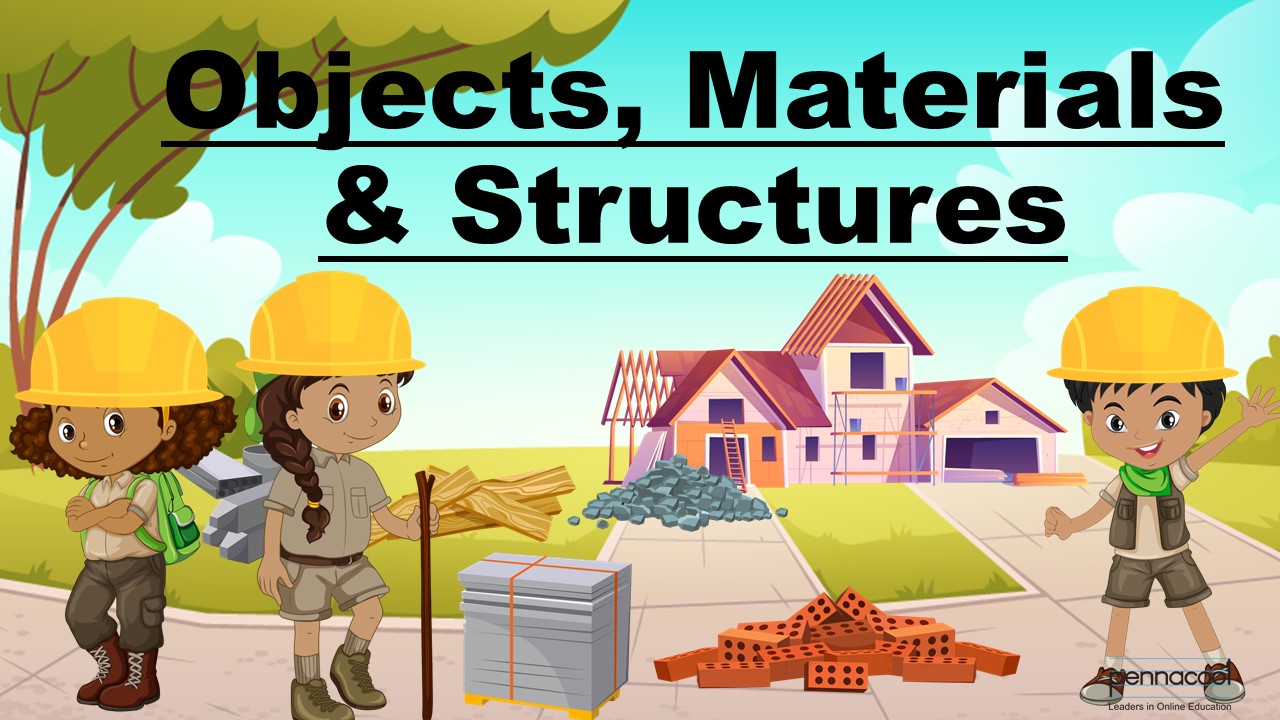
Materials determine object use and structure construction.
Learn more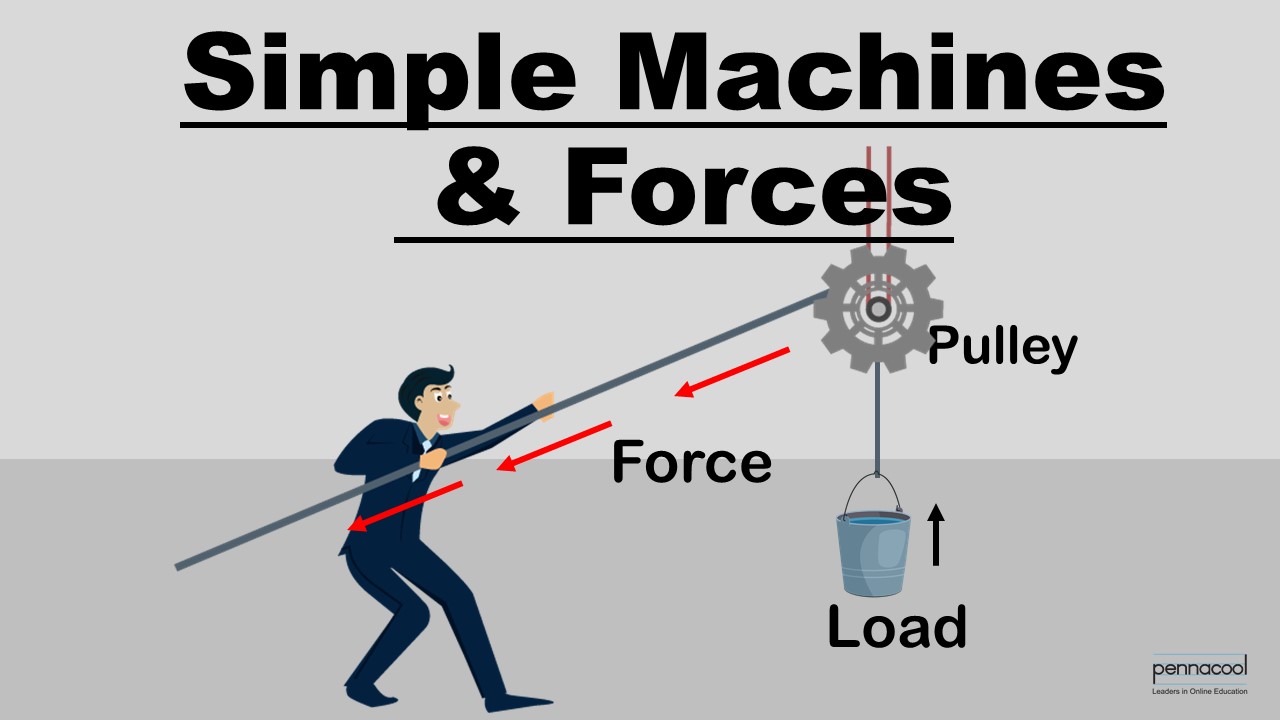
Come discover how forces and machines make our lives easier.
Learn more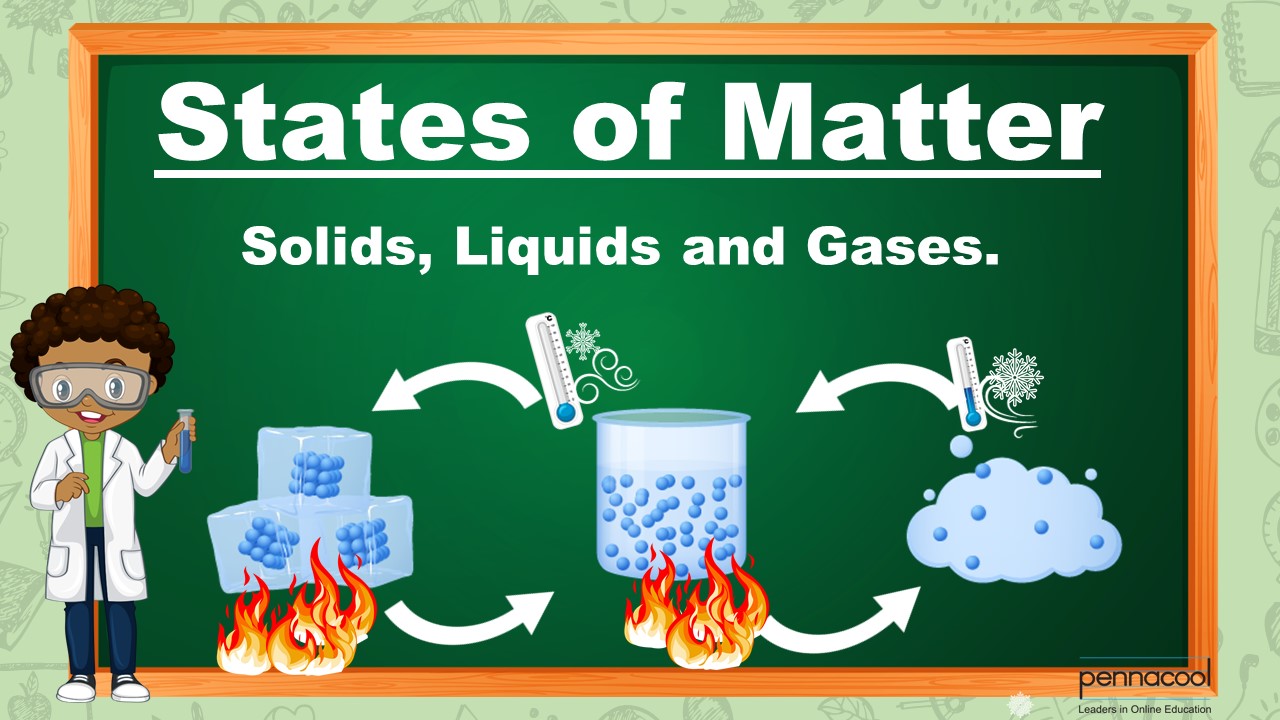
Everything that you can see, smell or touch is made up of matter. Learn more about its three main states: solids, liquids and gases.
Learn more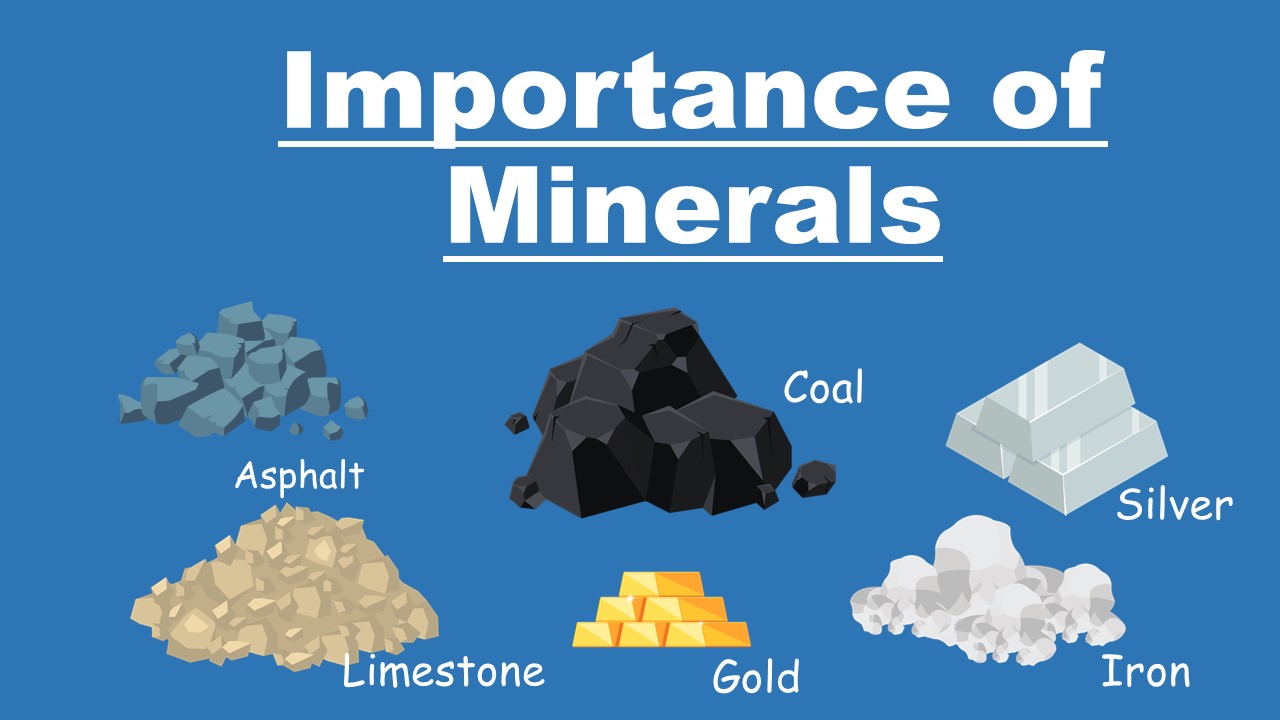
Minerals are solid substances that are present in nature. Learn about gold, asphalt, iron & limestone.
Learn more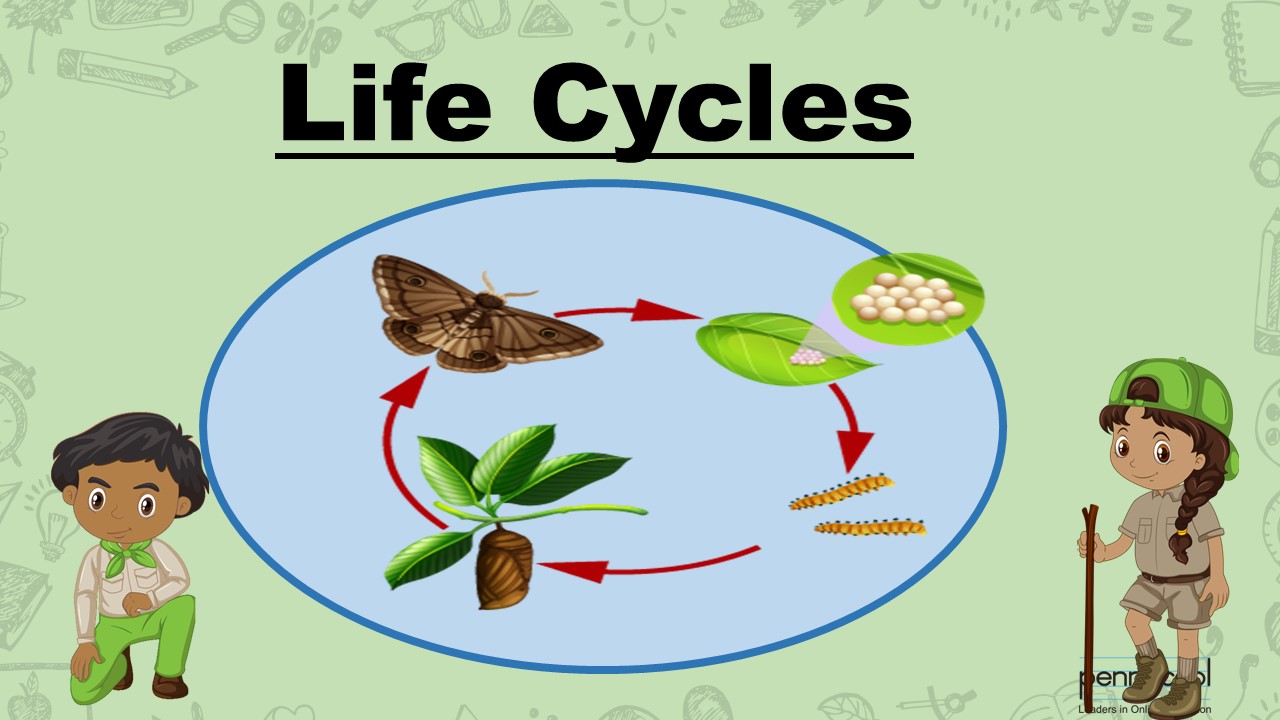
Explore how animals change as they grow.
Learn more
Learn about the different parts of a flower, and all the other features of animals & plants.
Learn more
Learn about how eating a balanced diet is key to staying fit and healthy.
Learn more
Learn about technology in our daily lives and how we can use energy more efficiently.
Learn more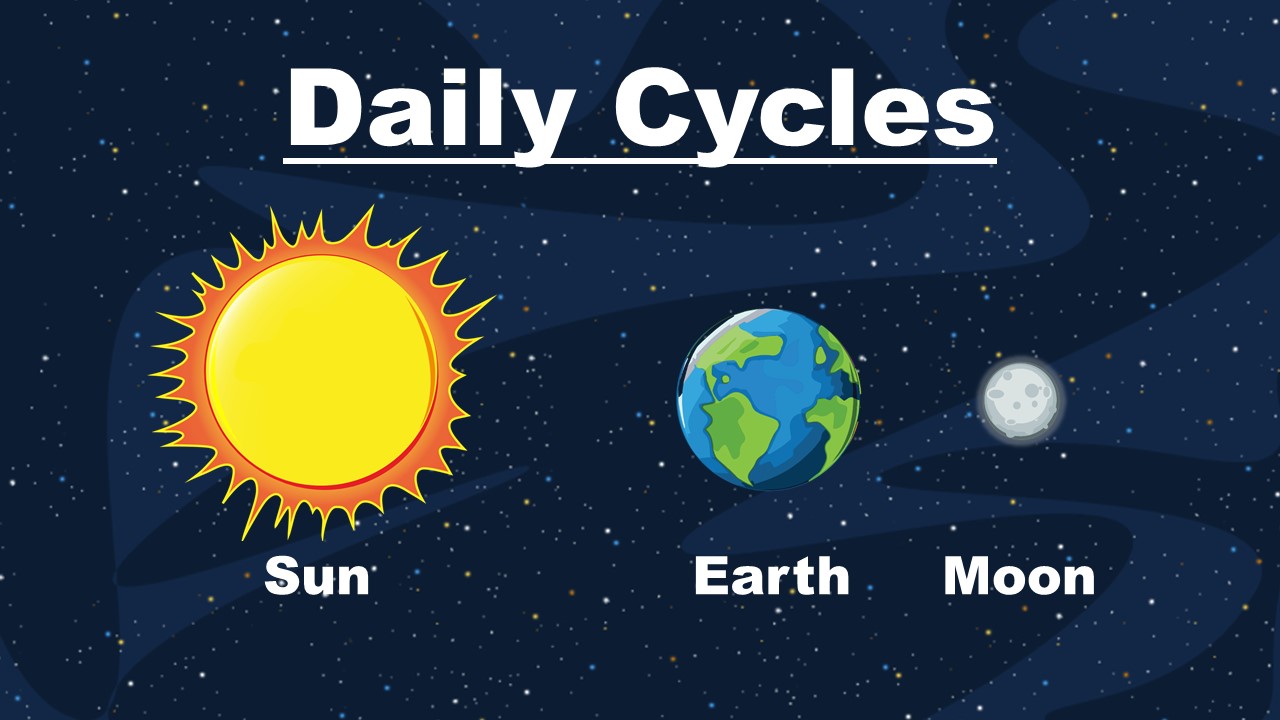
When we are asleep, when we are awake, what we see in the sky — whether it is the moon or sun — is determined by the earth's cycle.
Learn more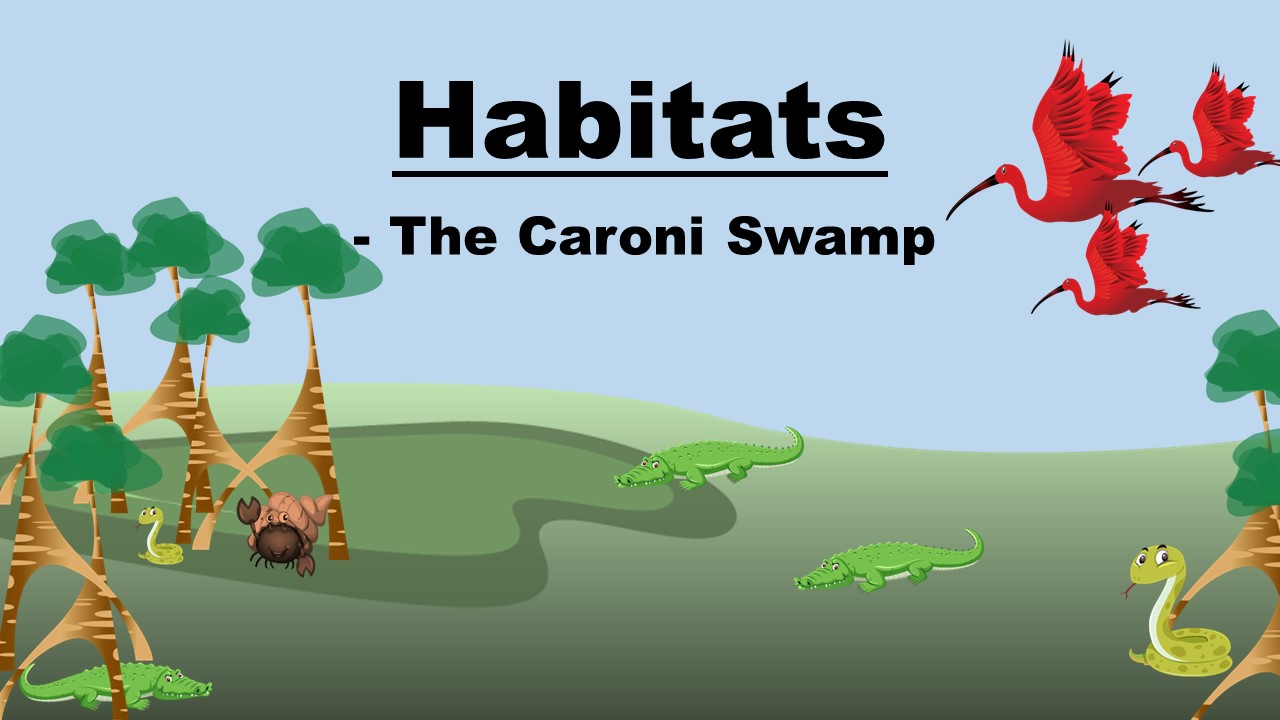
A habitat is a home. It is where a person or an animal lives. There are many different sorts of habitats around the world.
Learn more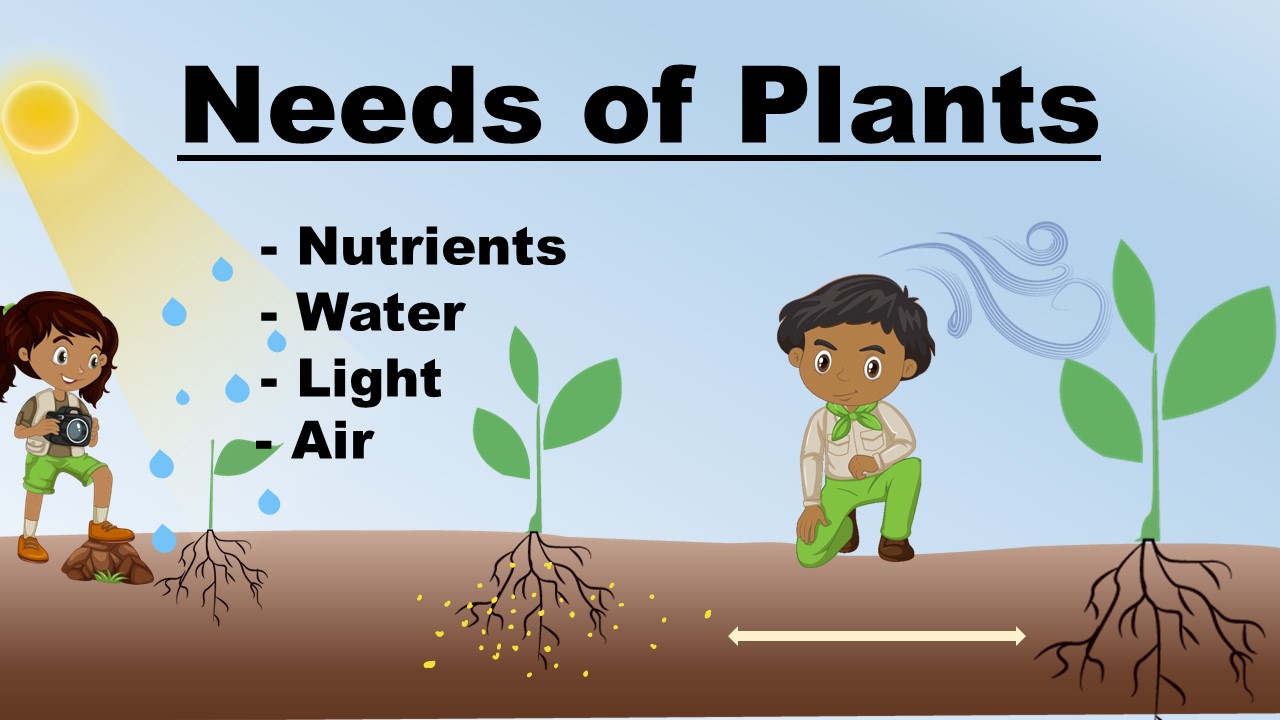
Plants need water, carbon dioxide and sunlight so that they can produce energy for growth.
Learn more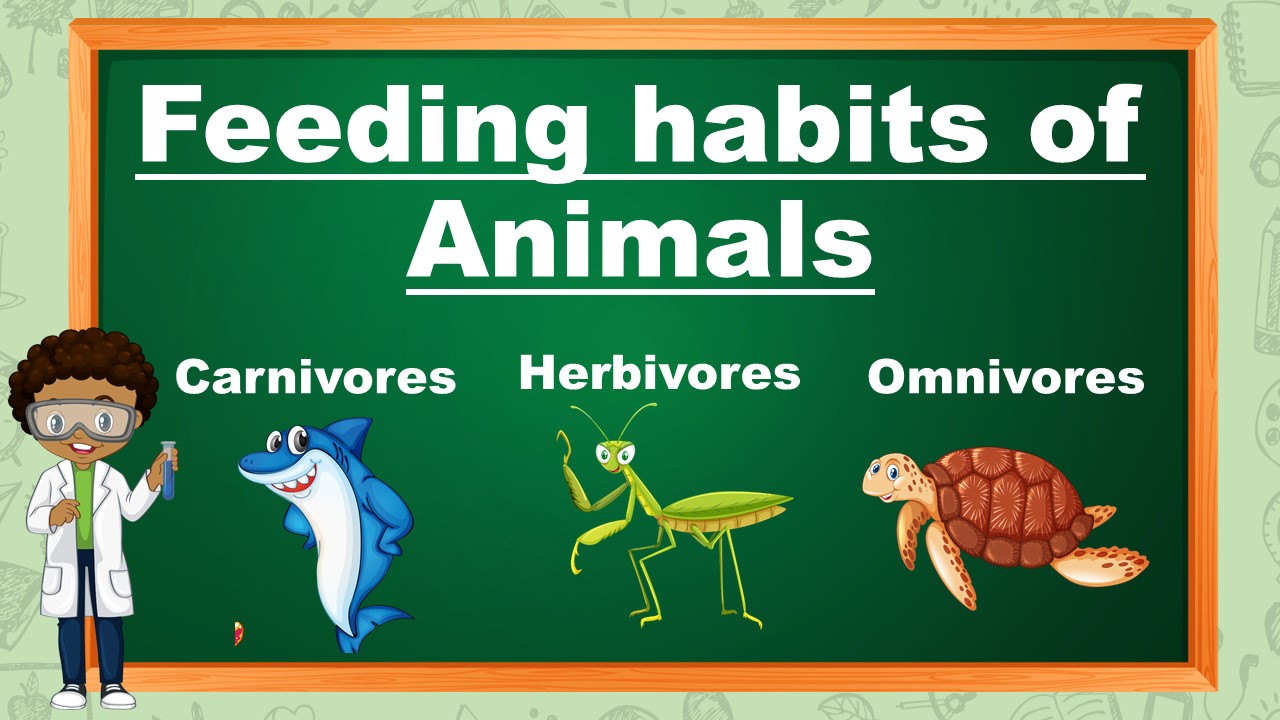
Food gives animals the nutrients and energy they need to remain healthy, to grow and to move around.
Learn more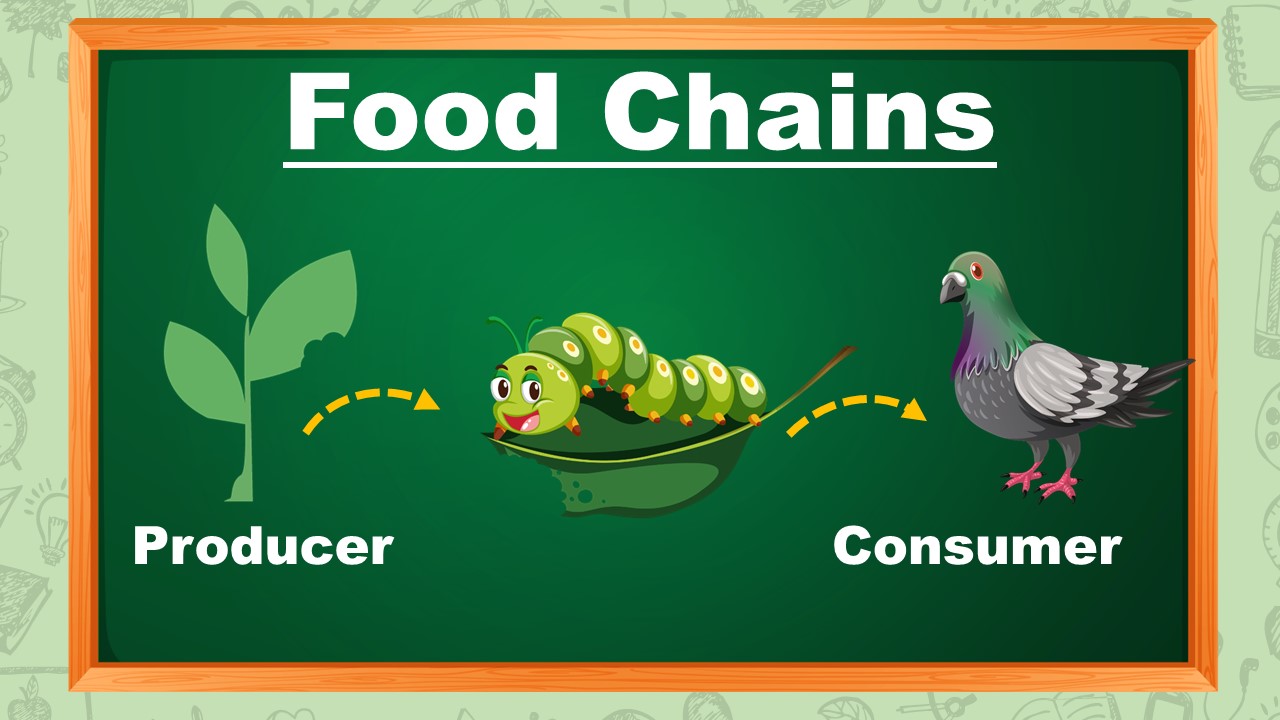
A food chain shows how each living thing gets food, and how nutrients and energy are passed from one living thing to another.
Learn more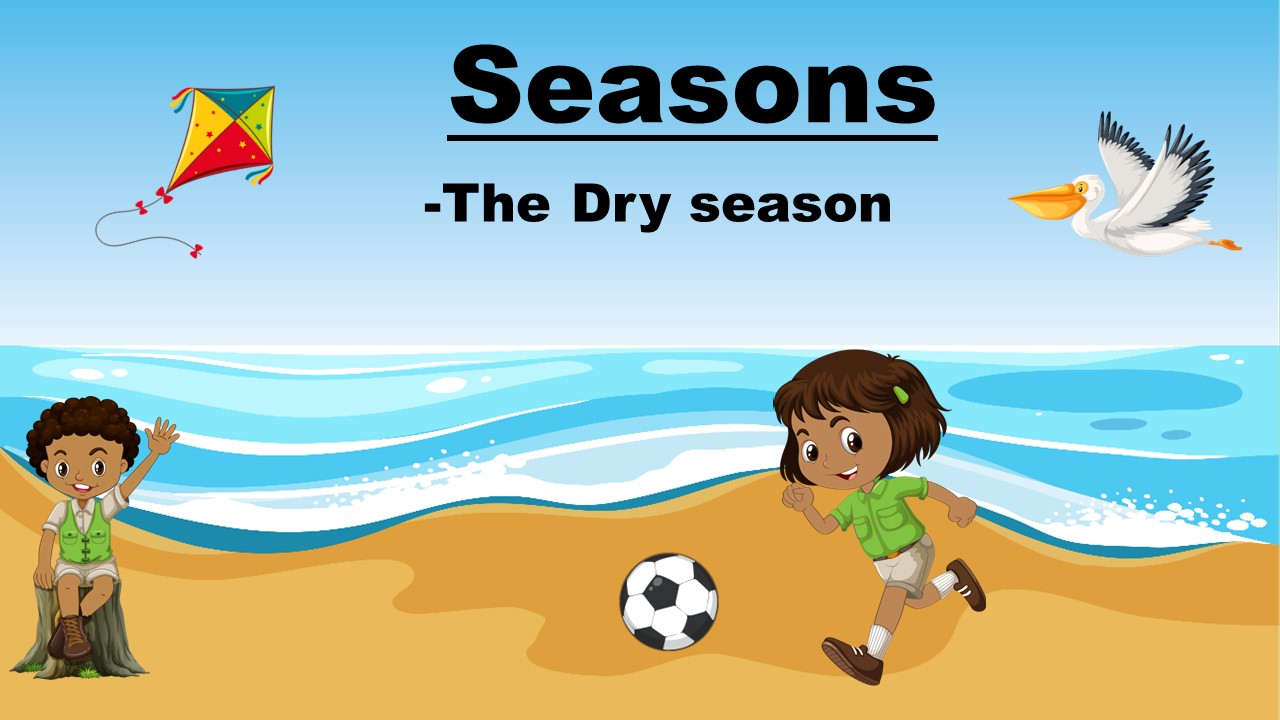
Seasons are divisions of the year, defined by changes in weather and the position of Earth in its orbit around the Sun.
Learn more
Weather can be described as the state of the atmosphere at a particular place during a short period of time.
Learn more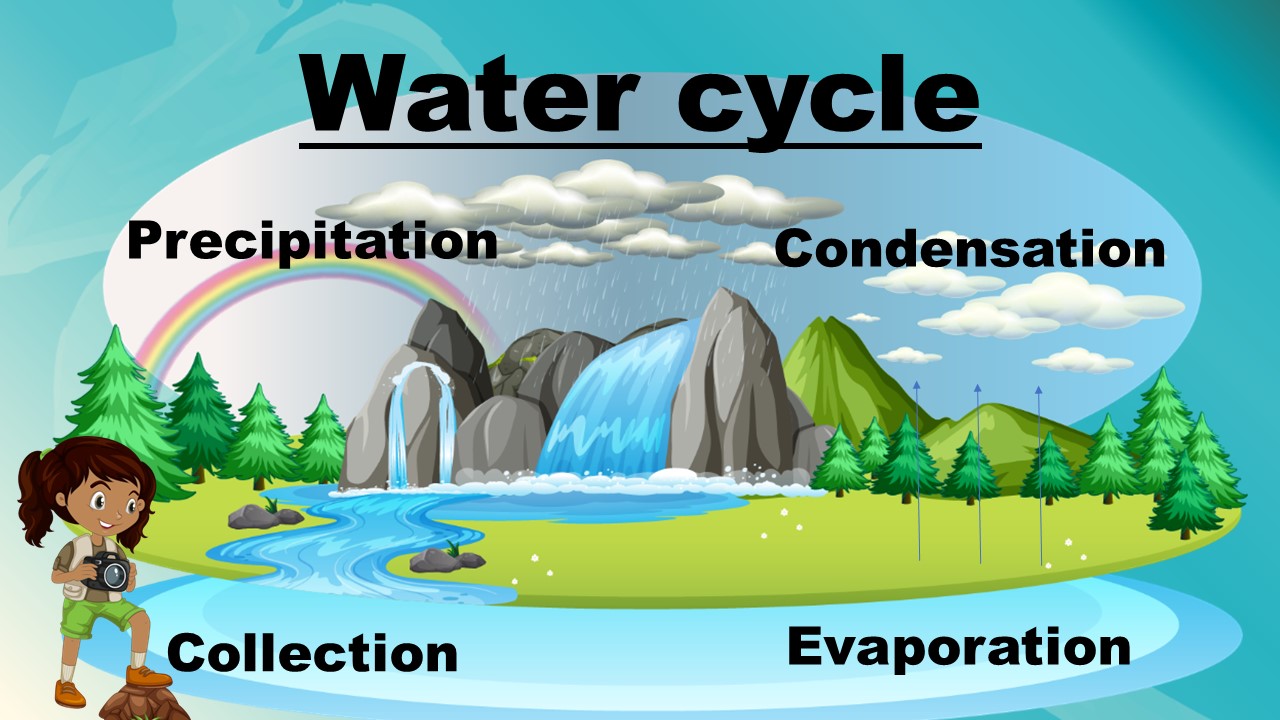
The water cycle describes how water evaporates from the surface of the earth, rises into the atmosphere, cools and condenses into clouds.
Learn more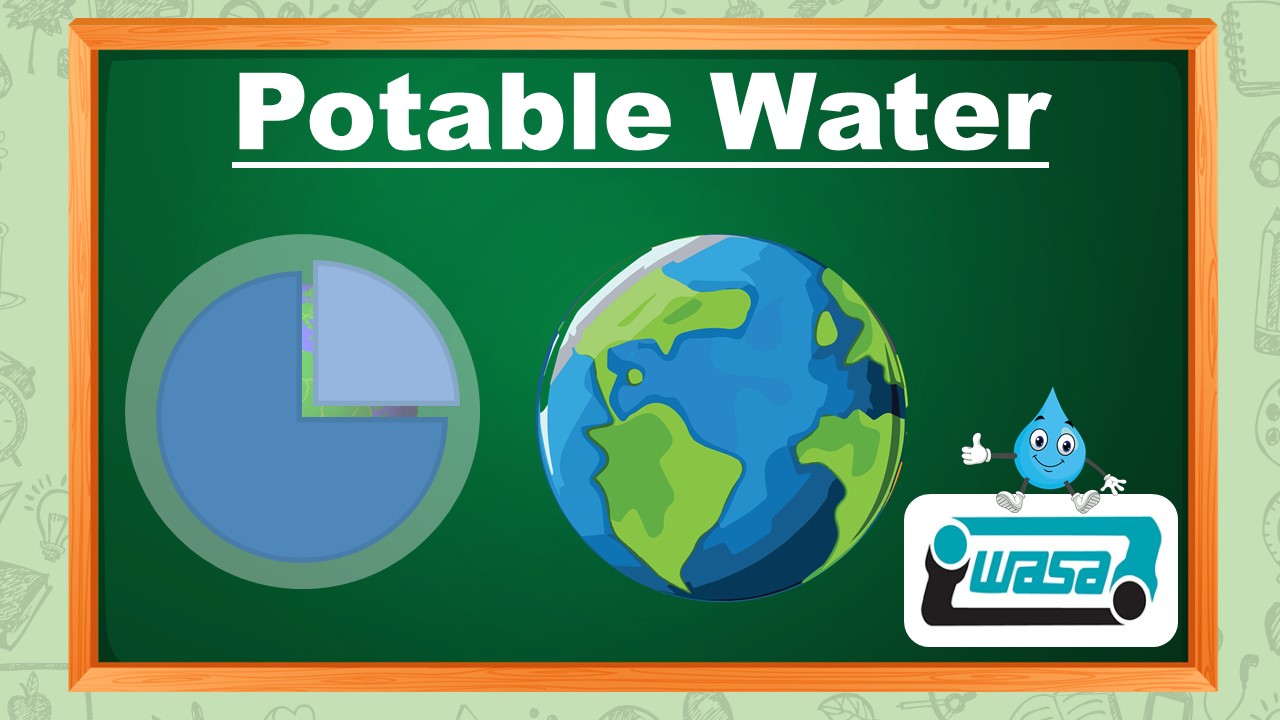
Potable water is water that is safe to drink or use to make food. We get pipe-borne water from the Water and Sewage Authority.
Learn more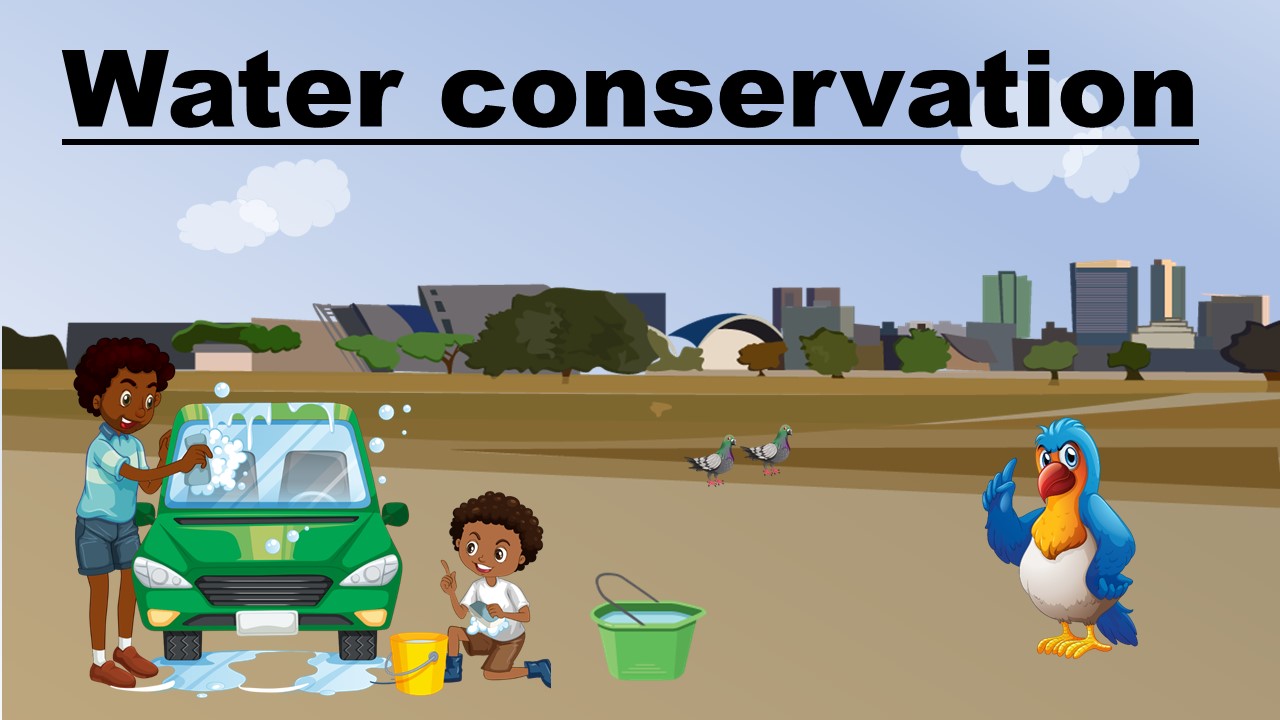
Water is important for life. Conservation is about using it wisely so we would always have enough to fulfil our needs.
Learn more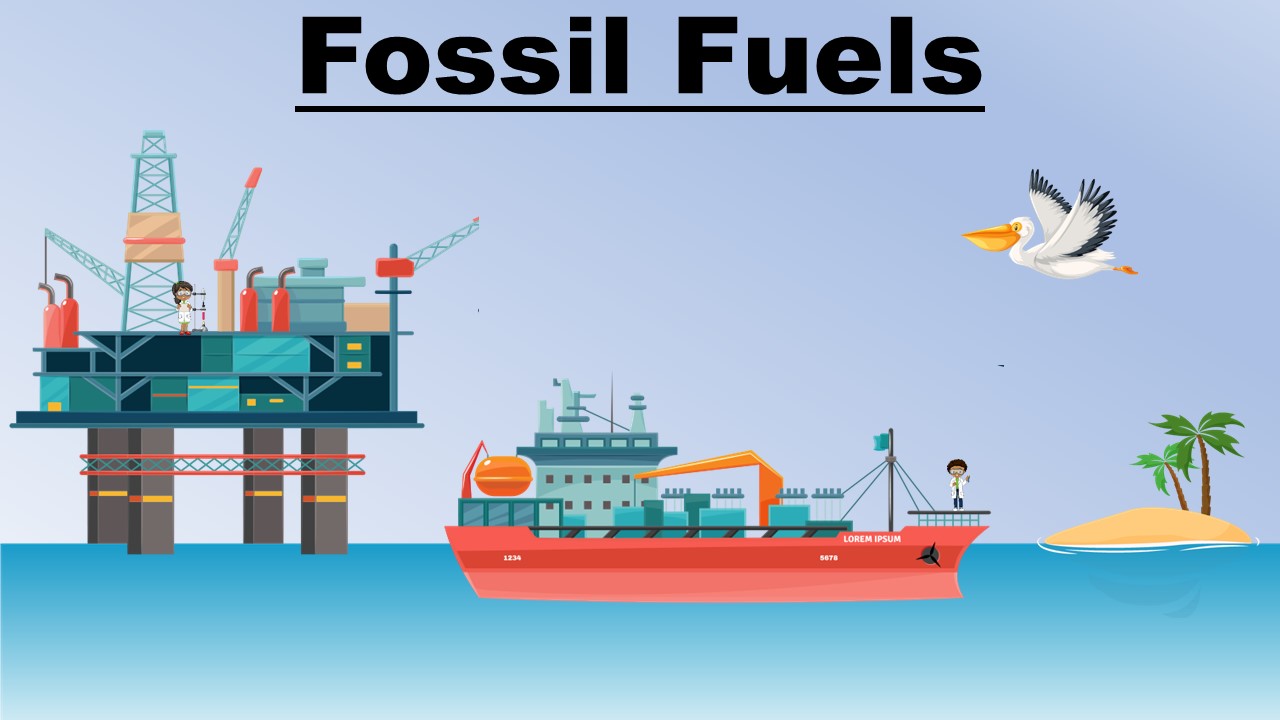
A Fossil Fuel is a non-renewable source of energy. It supplies 90% of the world's energy. One day it will be depleted.
Learn more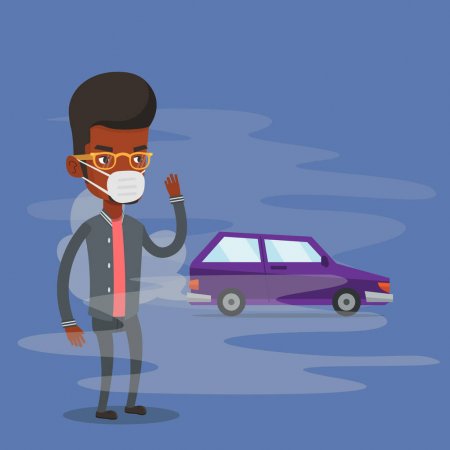
Carbon Emissions and Greenhouse Gases result from human activities such as burning fossil fuels, agriculture and land use.
Learn more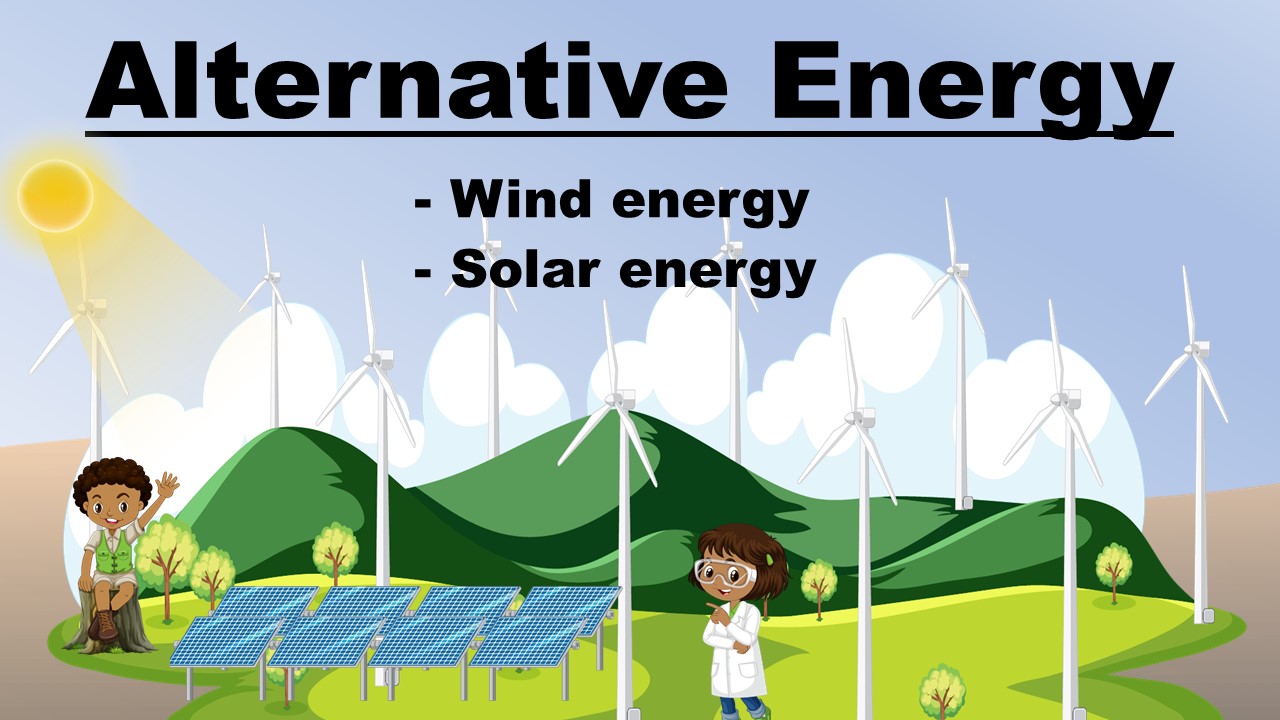
An alternative energy is a source of energy that is renewable. Unlike fossil fuels, alternative energy is not likely to run out.
Learn more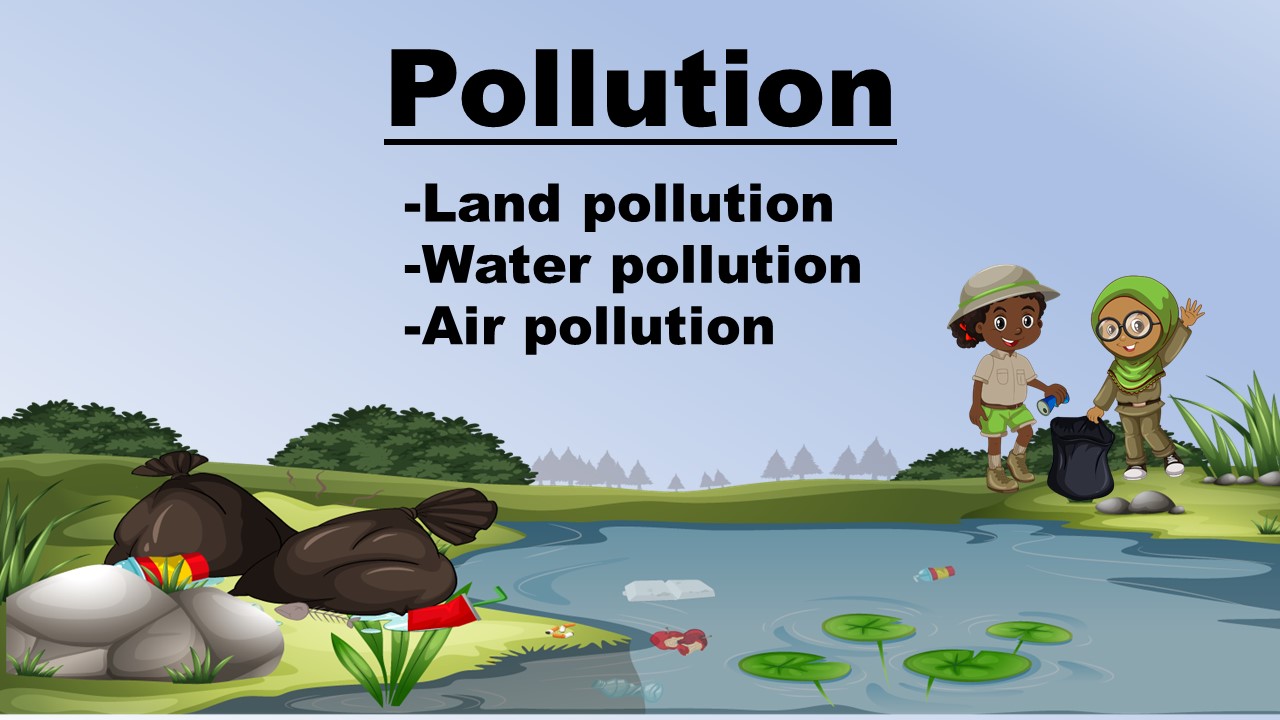
Pollution is anything that makes the earth unclean. Pollution occurs when there is contamination of the earth's air, water and soil.
Learn more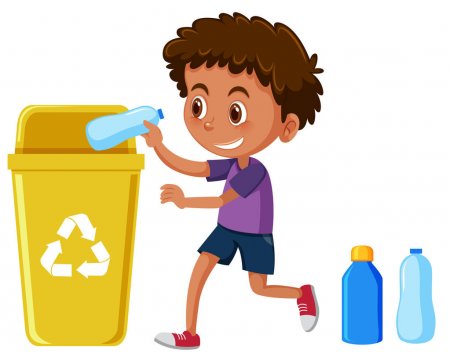
Looking at ways we can help the earth to heal by reducing, reusing or recycling our trash.
Learn more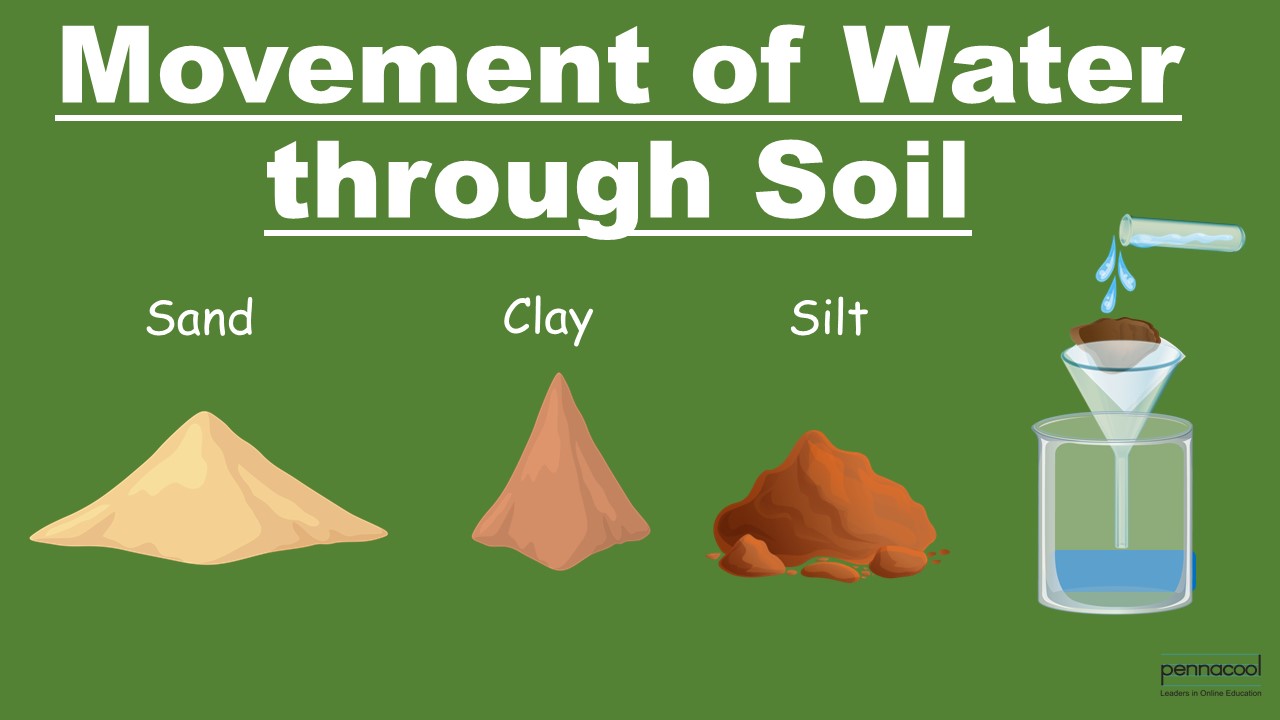
Explore the ways in which water moves through various types of soil.
Learn more